The Garden as a Living Room: How Outdoor Space Shapes the Lives Within It
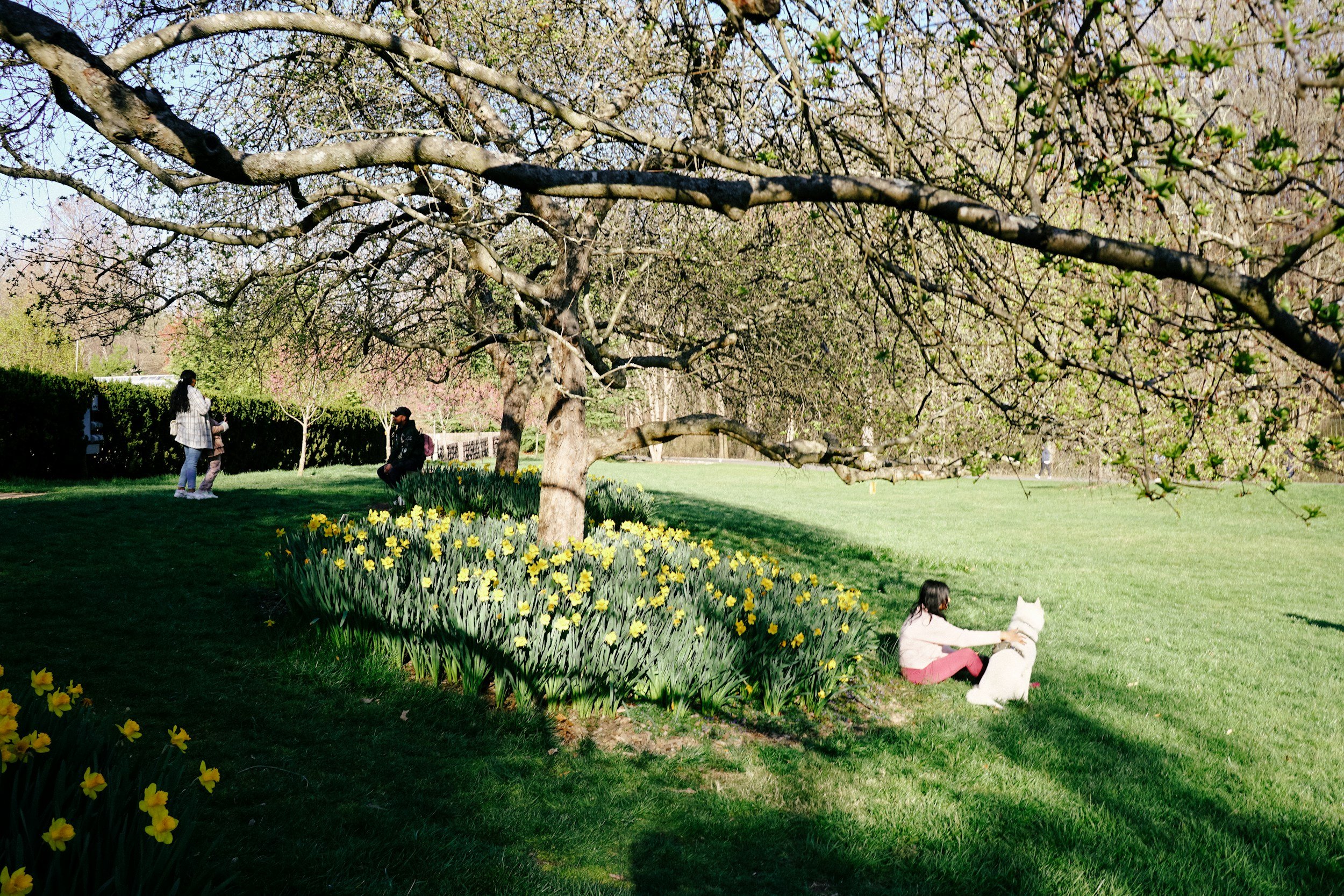
Gardens have the ability to transform moments and lives, shape a home, to hold, connect and inspire us
A garden is never really just a garden is it? It's the first thing your neighbor sees when they walk by. It's where a five-minute coffee break turns into twenty. It's the backdrop to a kid's birthday party, maybe even a proposal or wedding and it's the reason your dinner guest lingers on the patio an extra hour instead of heading home. When a garden is planned with a little heart, it stops being "the yard" and becomes another room of the house — just one without a ceiling.
What a Garden Gives the People Who Live There
A daily reset. There's something about five minutes of pulling weeds or admiring flowers that quiets a busy mind in a way little else does. Gardens hand you small rewards constantly — a new bud, a bird that's come back, a tomato that's finally ready. That steady little feedback loop is a big part of why so many people find gardening meditative, even therapeutic.
A reason to actually go outside. A home without an inviting outdoor space tends to keep everyone indoors, even on a gorgeous day. But give people a comfortable place to sit, a bit of shade, and something nice to look at, and suddenly you're out there for breakfast, for a phone call, or honestly for no reason at all.
A sense of season. Gardens keep you tethered to time in a way your phone never will. The first crocus poking through, the height of summer tomatoes, that last warm evening before the leaves turn — a garden marks the year in a way that feels grounding instead of hurried.
A quiet kind of pride. There's real satisfaction in a space that shows care and offers beauty to visitors. A well-tended garden becomes something you're proud of — not to impress anyone, but simply because it's proof of attention paid over time and how much you welcome and treasure visits from guests as well. A space which comforts, inspires and holds space for people is something very special.
What a Garden Gives Your Visitors
Visitors experience your garden differently than you do — they see it fresh, without the history of every plant that struggled to survive its first winter. A garden shapes a visit before a single word gets said:
- First impressions. A path that curves gently toward your door, plantings that soften the hard edges of the house, a little color right at the entry — all of it says "welcome" before anyone even knocks.
- A place to gather. Patios, fire pits, shaded seating — these give guests somewhere to settle that isn't your couch. Conversation just flows differently outside. A little looser, a little less formal.
- Something easy to talk about. Gardens are natural icebreakers. A guest who compliments your roses or asks about that fragrant shrub by the door has an easy, low-pressure way into conversation.
- A memory that sticks. People remember gardens — the smell of jasmine at dusk, string lights over the table, a good glass of wine on a warm night. Those little sensory details often outlast whatever was actually said that evening.
Start Here: What's the Purpose of Your Garden?
Before you fall in love with a plant list or a Pinterest board, it's worth sitting with a simpler question: what do you actually want this space for? A garden planned around a real purpose gets used and loved. A garden planned around what looks good in photos often just gets looked at. Here are some things worth thinking through:
- Everyday life — Do you want a quiet spot for morning coffee, an outdoor office nook, or a place to unwind after work?
- Entertaining — Will you host big backyard parties, or is it more about a couple of friends over for wine on a Friday?
- Family and play — Do you need open lawn for kids or pets to run, or a space that can grow and change as they do?
- Growing food — Is this about herbs by the kitchen door, a few raised veggie beds, or a full-on kitchen garden?
- Privacy and retreat — Are you shielding yourself from nosy neighbors or a busy street, or trying to carve out a personal escape?
- Beauty and curb appeal — How much of this is about the view from your window, or the impression from the street?
- Wildlife and ecology — Do you want to attract birds, bees, and butterflies, or support pollinators and native plants?
- Low maintenance vs. hands-on hobby — Is gardening something you want to do, or something you want done so you can enjoy the result?
- Accessibility — Does the space need to work for young kids, aging family members, or anyone with mobility needs?
- Connection to the house — Should it feel like an extension of your kitchen or living room, or a separate escape entirely?
Most gardens end up being a blend of a few of these — and that's completely fine. The point isn't to pick just one, it's to be honest about which ones matter most to you, because that's what should drive every decision that comes next.
Still working out your "why"? Take a look at our other posts on thoughtful garden planning — they go deeper into topics like these and can help you get clearer on what you want, what your house and landscape need, and how to create the home you desire before you plant a single thing.
Planning a Garden Around Connection — Not Just Plants
Once you know the "why," you can start designing the "how." The best gardens are planned as much for how they'll be used and felt as for what will grow in them.
1. Start with how you actually live.
Go back to your purpose list above. If you host often, you'll want generous seating and good flow. If it's a private retreat, maybe it's one perfect quiet corner instead. A garden built around your real habits gets used far more than one built around an idea of how you'd like to live.
2. Design the bones before the plants — this is where hardscape comes in.
Hardscape is the permanent structure of a garden: paths, patios, walls, pergolas, steps, seating areas. It's tempting to think about plants first, but hardscape is really what organises how a space gets used. A few things worth planning deliberately:
- Paths should connect the places people actually walk between, not just look pretty on paper. Ignore the natural line between your door and the garage, and people will shortcut through the lawn within a season — guaranteed.
- Patios and seating areas work best when they're sized for real furniture and real gatherings, positioned to catch the sun (or shade) at the time of day you'll actually use them, and given some sense of enclosure — a low wall, a hedge, an arbor — so they feel like a room, not an afterthought of open lawn.
- Materials set the mood. Natural stone, weathered brick, and timber soften into a landscape and age beautifully. Poured concrete and clean modern lines feel more architectural and intentional. Neither is right or wrong — it just depends on the feeling you're going for.
- Level changes — a few steps, a low retaining wall, a sunken fire pit — add visual interest and can quietly divide a garden into "rooms" without ever building a wall.
3. Let the planting soften the hardscape, not compete with it.
Once the bones are set, plants do the softening work — spilling over patio edges, framing a path, providing privacy where a fence would feel heavy-handed. Think in layers: trees for structure and shade, shrubs for mid-height privacy, perennials and groundcover to fill in and shift with the seasons.
4. Build in destinations.
A garden feels alive when there's more than one place to actually be in it — a bench at the far end, a reading nook tucked behind a hedge, a dining spot near the kitchen door. Destinations give people a reason to walk the whole space instead of just admiring it from the window.
5. Plan for the senses, not just the view.
Fragrant plants near seating areas and doorways, the sound of moving water or rustling grasses, textures worth reaching out and touching — a garden that engages more than sight is a garden people actually want to linger in.
6. Leave room to change.
Gardens are never really finished, and that's part of the charm. Leave a little flexibility — an open bed to experiment with, room for a second seating area down the road — so the space can keep evolving alongside you.
The Point of All of It
A garden planned only for how it looks from the street can end up beautiful and barely used. But a garden planned around how people will actually move through it, sit in it, and share it becomes something more — a place that quietly makes an ordinary Tuesday evening better, and has your guests reluctant to leave on a Saturday night. That's the real payoff of good garden planning: not just curb appeal, but a better everyday life for everyone who steps into it or even strolls past.