How A Garden Can Impact The Efficiency Of The Home
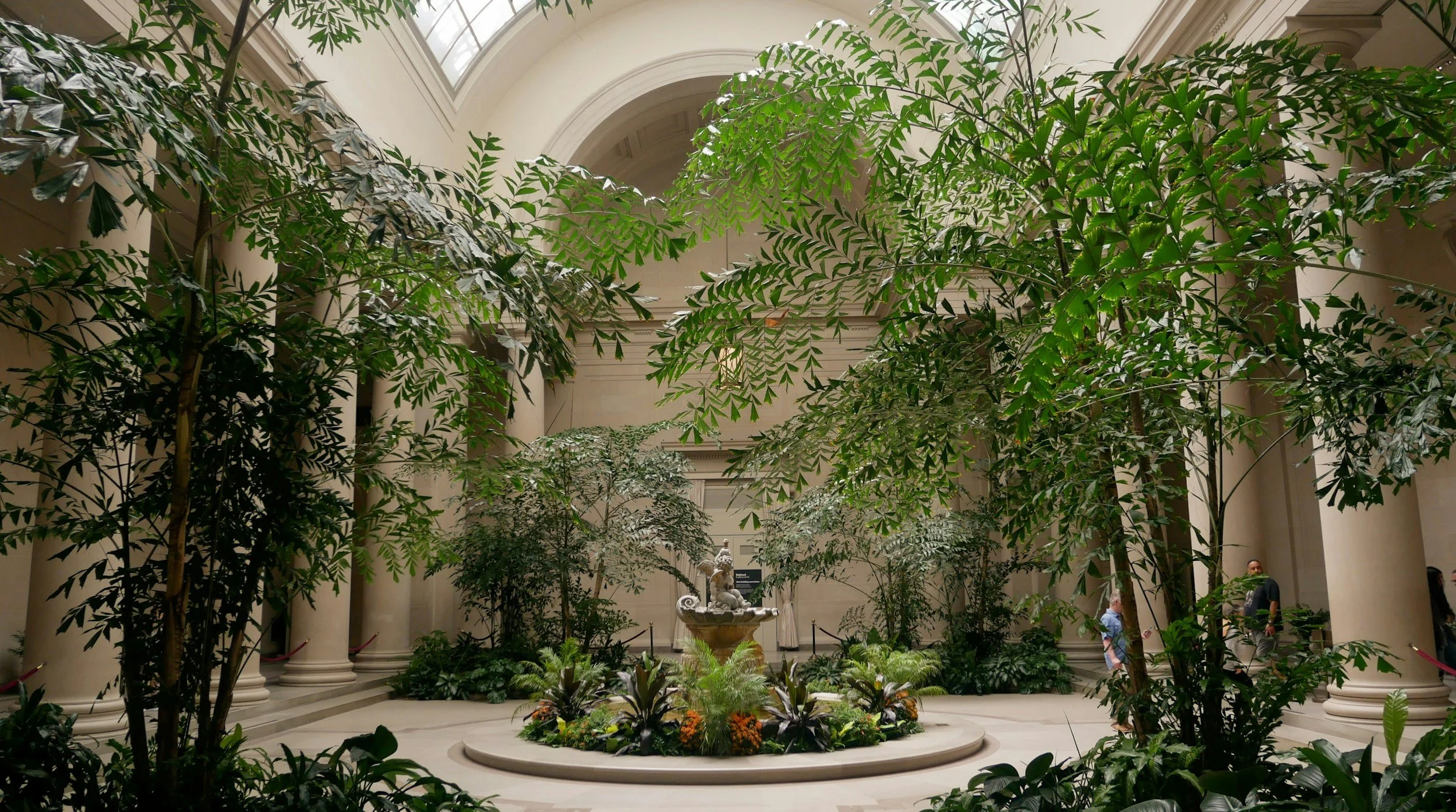
Designing home gardens for specific energy efficiency and weather resilience can not only deliver positive sustainability outcomes but also create an inspiring, healthier existence for your family.
Most people think of a garden as a place for beauty, food, or relaxation. Few think of it as infrastructure. But the plants around your house do real, measurable work — cooling your walls, blocking wind, soaking up stormwater, and even shaping how much energy you use each month. A well-planned garden isn't just decoration. It's a passive system that makes your home run more efficiently.
# 1. Natural Cooling and Shade
Trees and tall shrubs positioned on the south and west sides of a house block direct summer sun before it ever hits your windows or walls. This can lower indoor temperatures significantly and reduce the load on your air conditioning system. Deciduous trees are especially useful here: they shade the house in summer, then drop their leaves in winter, letting sunlight back in when you want the warmth.
Even without trees, a garden bed close to a foundation cools the air near the house through evapotranspiration — the process by which plants release moisture. That slightly cooler, moister air near the walls can measurably reduce how hard your cooling system has to work.
# 2. Wind Breaks and Heat Retention
On the flip side, a garden can also help in winter. Hedges, dense shrubs, or evergreen trees planted on the windward side of a home reduce wind speed at the walls. Less wind against the house means less heat loss through drafts and less strain on your heating system. A well-placed windbreak can noticeably cut winter heating costs over time.
# 3. Managing Stormwater
Gardens — especially those with layered plantings, mulch, and permeable soil — absorb rainwater instead of letting it run off into gutters, drains, and foundations. This reduces the risk of basement flooding, foundation erosion, and strain on municipal drainage systems. Rain gardens, in particular, are designed specifically to capture runoff from roofs and driveways, letting it soak in gradually rather than pooling or rushing off the property.
# 4. Improved Air Quality and Insulation
Plants filter dust, pollen, and pollutants from the air, which can reduce strain on HVAC filters and improve indoor air quality when that air is drawn inside. Green walls or vine-covered trellises against a house also add a layer of insulation, buffering exterior walls from both heat and cold.
# 5. Lower Urban Heat Island Effect
If you're in a denser neighborhood, a garden — especially one with trees — helps counteract the "urban heat island" effect, where pavement and buildings absorb and radiate heat. A cooler microclimate around your home means less ambient heat working its way indoors, which again eases the burden on cooling systems.
# 6. Indoor Water Feature Gardens
In warm climates, the garden's cooling power doesn't have to stop at the front door. Indoor water feature gardens — think small fountains, wall-mounted water features, or planted alcoves with a shallow water basin — can noticeably cool hot, sun-exposed rooms. As water evaporates from the feature, it draws heat out of the surrounding air, working much like the evapotranspiration effect outdoors, just on a smaller, contained scale.
Pairing the water feature with moisture-loving plants amplifies the effect. Species like peace lilies, ferns, or pothos release additional moisture into the air through their leaves, adding to the cooling and also raising humidity in rooms that tend to run dry from air conditioning. This combination works especially well in sunrooms, enclosed patios, or south-facing rooms that traditionally struggle to stay comfortable without heavy AC use.
Beyond the temperature effect, indoor water gardens add ambient white noise and a sense of calm, making a hot room feel more comfortable even before the temperature fully drops.
# 7. Designing Garden and Home Together
The best results come when the garden isn't an afterthought — something added once the house is finished — but designed alongside it from the start. A house and its garden are really an extension of each other, and treating them as a single system, with sustainability outcomes in mind from the outset, makes a real difference.
Designing both together allows space to be planned for the right plantings in the right places: a gap left for a future shade tree on the west wall, a swale built into the grading for stormwater, a trellis worked into the architecture rather than bolted on later. Planted this way, the garden can flow seamlessly with the lines of the house instead of competing with them, and it has room to mature alongside the building with ease, rather than being constrained by decisions that were already locked in.
Practical Tips for an Efficiency-Focused Garden
- Consider planting deciduous trees on north, south and west-facing walls for seasonal shade control.
- Consider using evergreens or dense hedges as windbreaks on the side facing prevailing winter winds.
- Consider adding a rain garden or swale where runoff naturally collects.
- Consider mulching garden beds to retain soil moisture and reduce watering needs.
- Consider choosing native, drought-tolerant plants to minimize irrigation demands.
- Consider vertical greenery (vines, green walls) on exposed exterior walls for added insulation.
- Consider an indoor water feature paired with moisture-loving plants to cool a persistently hot, sun-exposed room.
The Bottom Line
A garden isn't separate from your home's performance — it's an extension of it. Thoughtful planting can lower energy bills, protect your foundation, improve air quality, and make your home more comfortable year-round, all while giving you a beautiful space to enjoy, feel inspired and recharge. Efficiency doesn't only come from better appliances or insulation — sometimes it grows both inside and outside your home.